
Accessory Dwelling Units (ADUs) are becoming a popular way to maximize property potential in California. Whether you’re looking to add extra space for family, create a rental unit, or boost your property’s value, an ADU can be a smart investment. But before you start drawing up plans, it’s essential to understand the local requirements for building an ADU in Lodi.
Here’s a guide to help you get started and determine if your property qualifies for an ADU.
Want to skip this whole process and get our opinion on your property? Inquire here!

1. Zoning and Property Requirements
In Lodi, ADUs are generally permitted in residential zones, including single-family and multi-family lots. The property must meet specific zoning regulations, which vary depending on location. ADUs can be detached, attached, or converted spaces like garages or basements.
Make sure your property falls within a zone that allows for ADU construction. If you’re unsure about your property’s zoning, we can help. Find out if your property qualifies here.
2. Size and Setback Limitations
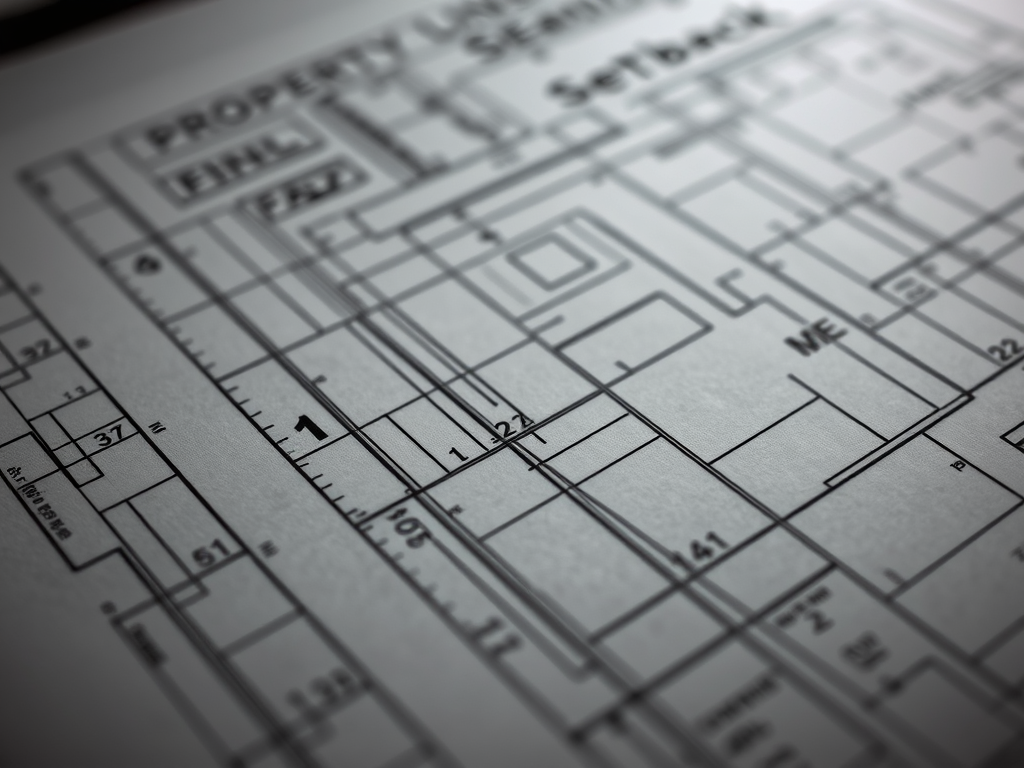
Lodi has specific guidelines for the size of your ADU:
- Maximum ADU Size: Detached ADUs can be up to 1,200 square feet.
- Attached ADUs: These should not exceed 50% of the primary dwelling’s size.
- Setbacks: ADUs must meet certain setback requirements, including:
- Front Yard: ADUs must be placed behind the main residence.
- Side and Rear Setbacks: A minimum of 4 feet from the property line.
These restrictions ensure that your ADU is a good fit for your property while complying with local laws. Want to see if your space meets these requirements? Check your property’s eligibility here.
3. Parking Requirements
In most cases, an ADU will require additional parking, unless:
- The property is within half a mile of public transit.
- The ADU is part of an existing structure like a garage.
- The ADU is located in a historic district.
Lodi’s parking rules for ADUs are designed to avoid street congestion while maintaining neighborhood character.

4. Utilities and Permitting
Connecting utilities such as water, sewer, and electricity to your ADU will require additional permits and inspections. In Lodi, ADUs must have independent connections from the primary residence, and fees may apply depending on the scope of your project.
Navigating the permit process can be complex, but it’s essential for ensuring your ADU is built to code and ready for approval. Interested in finding out if your project is feasible? Start your ADU property assessment here.

5. Cost Considerations
The cost of building an ADU in Lodi depends on factors such as size, materials, labor, and permitting fees. While ADUs can be a valuable investment, proper planning and budgeting are key to a smooth process.
Looking for expert guidance to determine the potential costs for your ADU? Inquire here for a free consultation.
Ready to Start Your ADU Project?
Building an ADU in Lodi can be a great way to add value to your property, but ensuring that your project meets all local requirements is critical. The first step is confirming if your property qualifies for an ADU.
Want to know if you can build an ADU on your property? Fill out our Inquiry form to get started today! Fill out the form, and our team will guide you through the process, from eligibility checks to permitting assistance, all in a timely manner.
 Mini Plans
Leave a comment